Cheapest And Most Expensive Times To Visit California
California costs depend on where you go—coasts peak in summer, ski towns peak in winter, and national parks spike in peak-season weekends.
California doesn’t have one “peak season” that fits the whole state. Coastal cities and beach towns usually cost the most in summer, mountain ski areas cost the most in winter, and national parks spike during peak-season weekends and holiday weeks—especially when the weather is at its easiest.
Most Expensive Time To Visit California
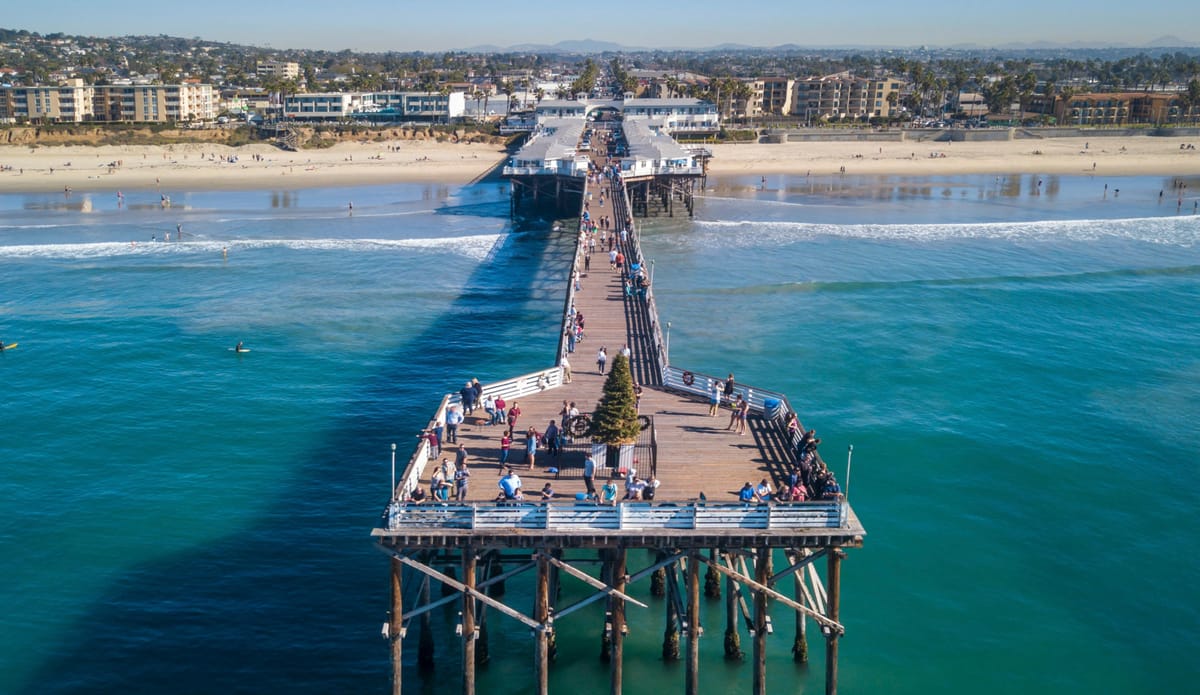
Coastal Cities And Beach Towns (San Diego, LA, SF, Santa Barbara)
- June–August (Summer Peak)
This is when beach demand is highest and family travel is nonstop—hotel rates rise fast near the water. - Late May And September (Shoulder Months That Still Cost More)
Great weather draws people in, and pricing can stay higher than you’d expect—especially in the most walkable neighborhoods. - Holiday Weekends (Memorial Day, July 4, Labor Day)
Even if you avoid the rest of summer, these weekends can blow up prices in coastal towns.
Mountain Ski Regions (Lake Tahoe, Mammoth Lakes, Big Bear)
- Late December–Early January (Holiday Ski Weeks)
This is usually the priciest time—lodging books early and the best locations go first. - January–February (Peak Ski Season)
Strong snow demand plus weekend trips—prices stay elevated, especially Friday–Sunday. - Presidents’ Day Weekend And MLK Weekend
Classic “packed resort” weekends—expect higher nightly rates and tighter availability.
National Parks (Yosemite, Sequoia/Kings Canyon, Joshua Tree, Death Valley)
- Yosemite + Sequoia/Kings Canyon: June–August
Summer is the big surge—crowds, parking pressure, and higher lodging prices, especially in and near the parks. - Joshua Tree: October–May (Especially March–Mid-April)
Cooler desert weather drives demand—spring break weeks can be some of the busiest and most expensive. - Death Valley: Late October–April
The “comfortable desert” season is the high-demand window—holiday weeks can spike pricing.
Theme Parks (Disneyland, Universal Studios Hollywood)
- Spring Break (Late March–Early April)
This is one of the biggest price-and-crowd jumps for Southern California. - Summer (June–August)
Family travel pushes demand—near-park hotels often climb. - Thanksgiving Through New Year’s
Holiday travel weeks can be some of the toughest for hotel pricing.
Cheapest Time To Visit California
Coastal Cities And Beach Towns
- Late January–Early March (Post-Holiday Value Window)
Often a strong time for better hotel pricing in big cities—still plenty to do, just cooler and quieter. - October–Early December (Before Holiday Weeks Hit)
A classic “better value” window—especially for city trips and coastal drives.
Mountain Ski Regions
- Early December (Before Holiday Rush)
You can sometimes catch solid deals before the late-December spike. - March (Non-Holiday Weeks)
Conditions can still be great, but pricing often eases once the biggest winter travel weeks pass. - Late April (End Of Season Timing, Varies By Snow)
If the season is still running, you can sometimes find better lodging value.
National Parks
- Yosemite + Sequoia/Kings Canyon: Late April–May And Late September
You can still get great park days without the full summer pressure—often a nicer value-to-crowd balance. - Joshua Tree: June–September (Hot Season)
Fewer visitors because of heat—pricing is often easier if you plan sunrise hikes and indoor breaks midday. - Death Valley: Late April–Early May Or Early October
Shoulder timing can bring better value—still warm, but not at the peak-demand level.
Theme Parks
- Late April–May (After Spring Break, Before Summer)
One of the better windows for a lower-stress trip. - September (After Summer, Before Holiday Season)
Often a strong deal month—just watch for weekend spikes.
Best Time To Visit California For Good Weather And Decent Prices
- May
A really strong “all-around” month—coasts, cities, and many parks can feel like a sweet spot. - Late September–October
Great for coastal cities and road trips, and often calmer than summer—just keep an eye on wildfire smoke risk in some years.
Wildfire Season And Smoke
California travel can also shift because of smoke—especially for mountains and certain national parks.
- Northern California often sees higher wildfire risk in summer into fall
- Southern California can see elevated risk starting in late spring into fall
If your trip is hiking-heavy, it helps to stay flexible with dates and be ready to swap in coastal days if inland air quality changes.
Quick Ways To Spend Less In California
- Travel midweek—weekends swing prices hard in beach towns, ski areas, and popular parks
- For beaches, aim for May or October instead of July–August
- For skiing, avoid late December and big holiday weekends
- For parks, avoid summer Saturdays and holiday weeks when possible
- Keep lodging one “ring” outside the hottest areas—then drive or transit in
Is California Expensive To Visit?
It can be—mostly when you’re going where everyone else wants to be at the same time.
- Beaches and coastal cities: most expensive in summer
- Ski areas: most expensive in winter
- National parks: most expensive during peak-season weekends and holiday weeks
- If you want better odds of lower prices, target late January–early March, May, or October–early December
Seasonal Demand Summary For California
California Coastal Cities and Beach Towns (San Diego, LA, SF, Santa Barbara)
| Time Period | Price Level | Why It Matters |
|---|---|---|
| June–August (summer peak) | 💲💲💲 Highest | Beach demand is at its biggest and family travel is nonstop—hotels near the water climb fast. |
| Late May and September (shoulder months that still cost more) | 💲💲💲 High | Weather is still great, so demand stays strong—especially in walkable neighborhoods near the coast. |
| Holiday weekends (Memorial Day, July 4, Labor Day) | 💲💲💲 High | Even if you skip the rest of summer, these weekends can spike rates in beach towns and coastal cities. |
| Late January–early March (post-holiday value window) | 💲 Low | Often a strong time for better hotel pricing in big coastal cities—cooler, quieter, but still plenty to do. |
| October–early December (before holiday weeks hit) | 💲 Low–Mid | A classic value window for city trips and coastal drives—summer crowds fade and pricing often drops. |
California Mountain Ski Regions (Lake Tahoe, Mammoth Lakes, Big Bear)
| Time Period | Price Level | Why It Matters |
|---|---|---|
| Late Dec–early Jan (holiday ski weeks) | 💲💲💲 Highest | Prime holiday demand—lodging books early and the best locations go first. |
| January–February (peak ski season) | 💲💲💲 High | Strong snow-season demand plus weekend trips—rates stay elevated, especially Friday–Sunday. |
| MLK weekend and Presidents’ Day weekend | 💲💲💲 Very High | Classic packed-resort weekends—higher nightly rates and tighter availability. |
| Early December (before holiday rush) | 💲 Low–Mid | One of the better shots at ski-town deals before the late-December spike. |
| March (non-holiday weeks) | 💲 Low–Mid | Conditions can still be great, but pricing often eases once the biggest winter travel weeks pass. |
| Late April (end-of-season timing, varies by snow) | 💲 Low | If the season is still running, lodging can be much easier—especially outside weekends. |
California National Parks (Yosemite, Sequoia/Kings Canyon, Joshua Tree, Death Valley)
| Time Period | Price Level | Why It Matters |
|---|---|---|
| June–August (Yosemite + Sequoia/Kings Canyon summer surge) | 💲💲💲 Highest | Peak season crowds and limited lodging—prices rise in and near the parks, with heavier pressure on parking and reservations. |
| October–May (Joshua Tree high season) | 💲💲💲 High | Cooler desert temps draw the most visitors—spring is especially popular. |
| March–mid-April (Joshua Tree spring peak) | 💲💲💲 Very High | Spring break weeks can be the busiest—lodging around the park tightens and rates jump. |
| Late October–April (Death Valley high season) | 💲💲💲 High | The comfortable desert window—holiday weeks can push prices up even more. |
| Late April–May and late September (Yosemite + Sequoia/Kings Canyon value shoulder) | 💲 Low–Mid | Great park days without full summer pressure—often a better crowd-to-price balance. |
| June–September (Joshua Tree hot season) | 💲 Lowest | Heat keeps crowds down—often easier lodging pricing if you plan early hikes and midday indoor breaks. |
| Late April–early May or early October (Death Valley shoulder) | 💲 Low–Mid | Still warm, but not peak-demand pricing—often better value than mid-winter dates. |
| Late September–October (smoke-risk season for some regions) | 💲 Low–Mid | Can be an awesome weather window, but wildfire smoke risk can shift demand—staying flexible helps for mountain and inland park trips. |
California Theme Parks (Disneyland, Universal Studios Hollywood)
| Time Period | Price Level | Why It Matters |
|---|---|---|
| Late March–early April (spring break) | 💲💲💲 High | One of the biggest crowd and price jumps—near-park hotels get hit fast. |
| June–August (summer) | 💲💲💲 High | Family travel drives steady demand—hotel pricing near Disneyland and Universal often climbs. |
| Thanksgiving through New Year’s | 💲💲💲 Very High | Holiday travel weeks are among the toughest for pricing and availability near the parks. |
| Late April–May (after spring break, before summer) | 💲 Low–Mid | One of the better windows for a lower-stress trip—often better hotel odds than peak periods. |
| September (after summer, before holiday season) | 💲 Low | Often a strong deal month—just watch for weekend spikes and special-event weekends. |
 Jetsetter Alerts
 Jetsetter Alerts
 Jetsetter Alerts
 Jetsetter Alerts