
11 Ancient Ruins That Should Be On Your Bucket List
From Petra’s sandstone tombs to the mountain terraces of Machu Picchu, discover ten ancient ruins sites worth planning a trip around.
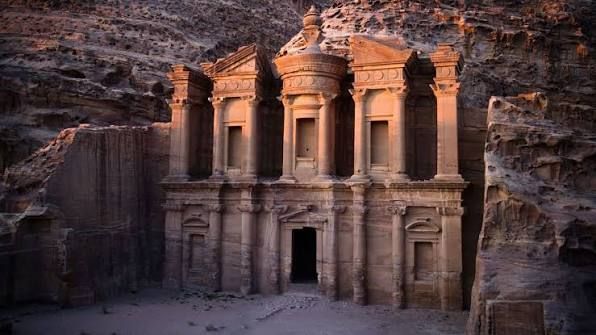
Some places make you stop walking just to take in what’s in front of you. A city carved into sandstone. Stone temples rising above a jungle canopy. An entire Roman neighborhood where streets, shops, and homes still reveal how people lived nearly 2,000 years ago.
Visiting ancient ruins will make you question the history we've been told, along with a chance to get closer to the people who built them. You can follow their streets, study their carvings, and stand beneath structures that survived long after their builders’ empires disappeared.
Some ruins can't even be explained, and in my opinion are much older than the "experts" say they are, and we very obviously had advanced civilizations that were reset from cataclysmic events
Machu Picchu
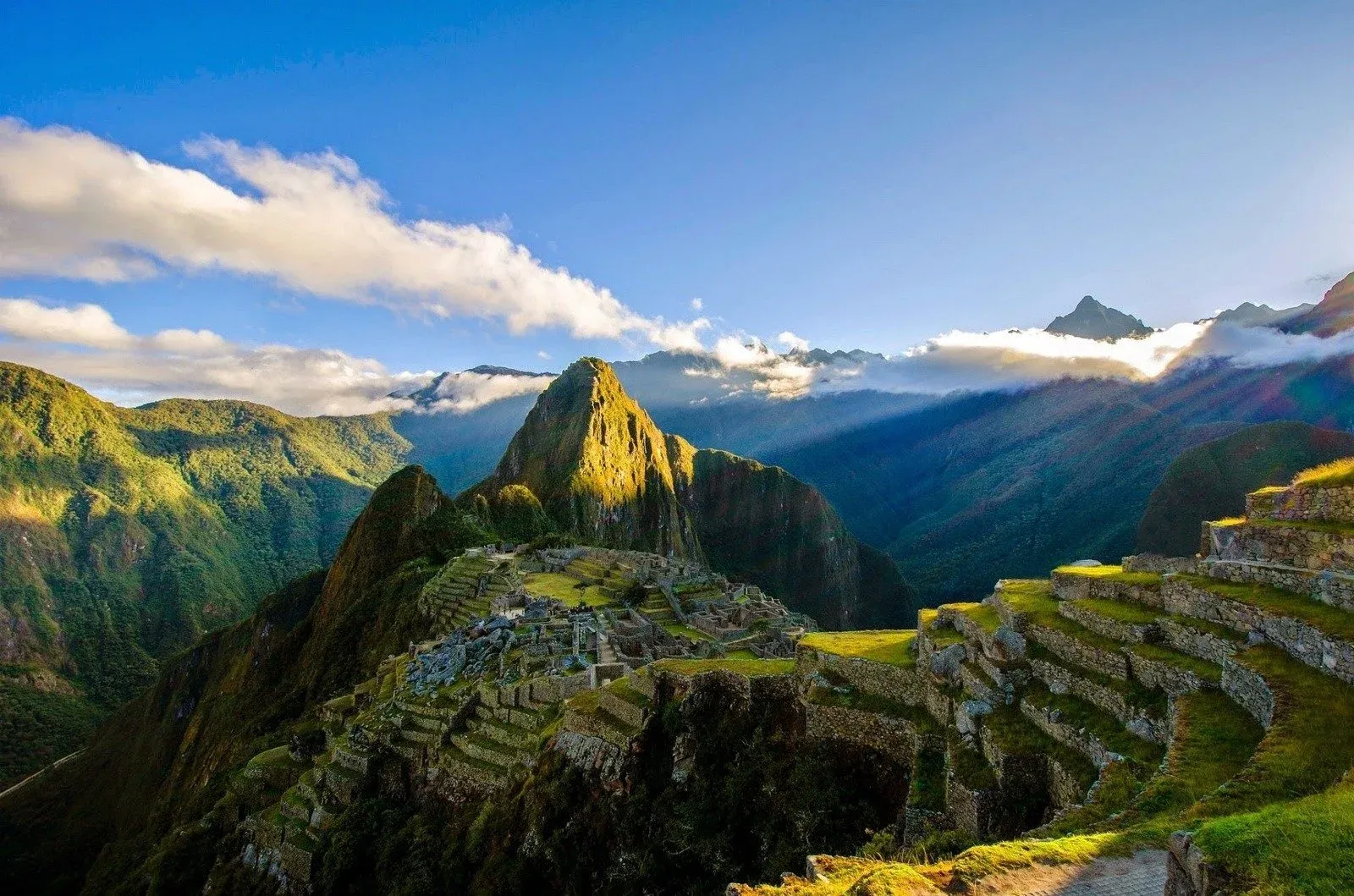
High in the Andes of Peru, Machu Picchu spreads across a mountain ridge, with stone buildings and agricultural terraces suspended above steep green valleys. Built by the Inca in the 15th century, the site rewards a closer look at how carefully its walls, stairways, and water channels fit the mountain.
The famous panoramic view draws people here, but walking beside the precisely fitted stonework makes the achievement feel even greater. Few ancient ruins combine such an extraordinary setting with architecture so closely connected to its surroundings.
Machu Picchu Highlights
- Agricultural terraces: Long bands of stone-supported farmland following the steep mountainside.
- Inca stonework: Carefully shaped blocks fitted together with remarkable precision.
- Mountain setting: Views across the ruins toward Huayna Picchu and the surrounding Andean peaks.
Petra
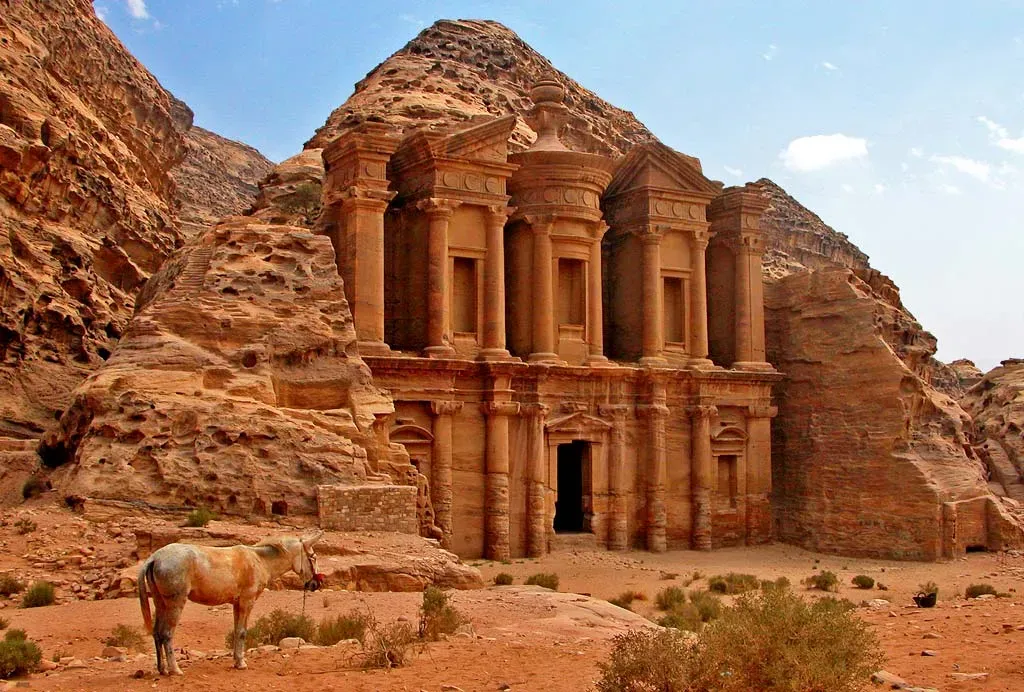
The approach to Petra in Jordan is part of what makes it unforgettable. You follow the Siq, a narrow passage between towering rock walls, until the Treasury’s carved sandstone facade appears through the opening. Beyond that first reveal, Petra continues through a much larger archaeological site filled with tombs, temples, and remnants of streets.
Once a major Nabataean trading center, it combines monumental architecture with the practical achievement of collecting and directing water through an arid environment. Give the city the attention its size deserves; the Treasury is only the beginning.
Petra Highlights
- The Treasury: Petra’s most recognizable rock-cut facade.
- The Royal Tombs: Monumental burial structures carved into the cliffs.
- The Monastery: An enormous carved facade reached by a demanding uphill walk.
Angkor
Near Siem Reap in Cambodia, Angkor is an enormous archaeological area containing the remains of successive Khmer capitals. Angkor Wat provides the famous silhouette, with its towers rising above a broad moat, but the surrounding temples make this a place worth exploring over several days.
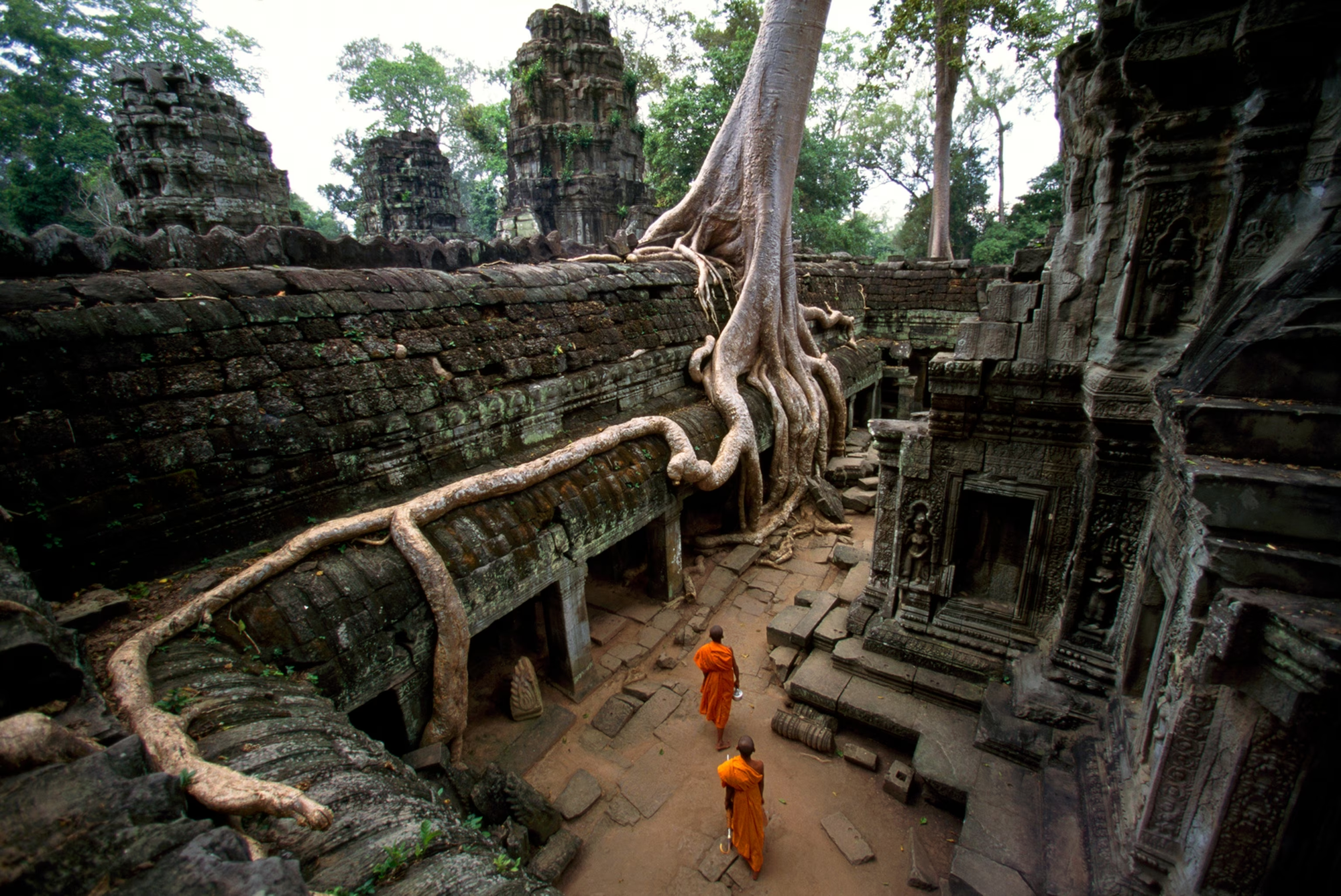
At Bayon, carved faces look out from stone towers, while Ta Prohm’s walls intertwine with enormous tree roots. Walking through galleries, courtyards, and forest paths, you begin to grasp the ambition of a city whose temples and water systems operated on a remarkable scale.
Angkor Highlights
- Angkor Wat: Monumental towers, long galleries, and detailed stone reliefs.
- Bayon: A temple known for the carved faces decorating its towers.
- Ta Prohm: Temple ruins where large roots wrap around walls and doorways.
Pompeii
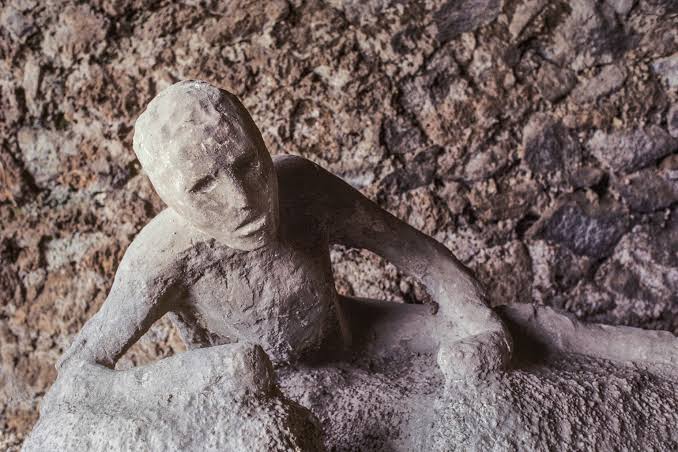
Pompeii in Italy makes the ancient world feel unusually personal. Buried by the eruption of Mount Vesuvius in AD 79, the city preserves streets, houses, public baths, and places where residents bought food or gathered with neighbors. You can walk past counters that once served customers, then enter homes decorated with paintings and mosaics.
Those ordinary details give Pompeii much of its power. Alongside the grand public buildings, you encounter evidence of daily routines, household tastes, and a community whose life ended in a catastrophe.
Pompeii Highlights
- The Forum: The center of the city’s public, commercial, and religious life.
- Roman houses: Surviving courtyards, wall paintings, and mosaic floors.
- The amphitheater: A major reminder of the city’s appetite for public entertainment.
Acropolis of Athens
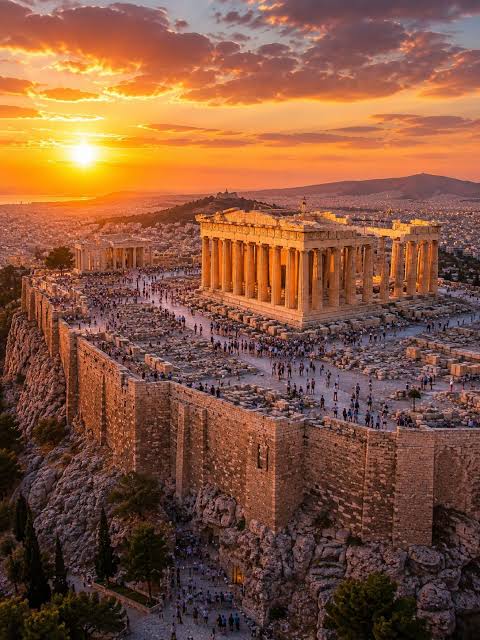
Rising above Athens in Greece, the Acropolis gives you an immediate sense of how much ancient architecture still shapes the city. The Parthenon commands attention, but the experience also comes from approaching through the monumental entrance and noticing the different temples arranged across the rocky summit.
Many of the best-known structures date to the fifth century BC, when Athens commissioned an ambitious building program. Standing among the pale marble columns, with modern neighborhoods stretching below, brings the distance between ancient and present-day Athens into sharp focus.
Acropolis of Athens Highlights
- The Parthenon: The celebrated temple dedicated to Athena.
- The Erechtheion: Known for its porch supported by sculpted female figures.
- The Propylaea: The monumental gateway marking the approach to the summit.
Pyramids of Giza
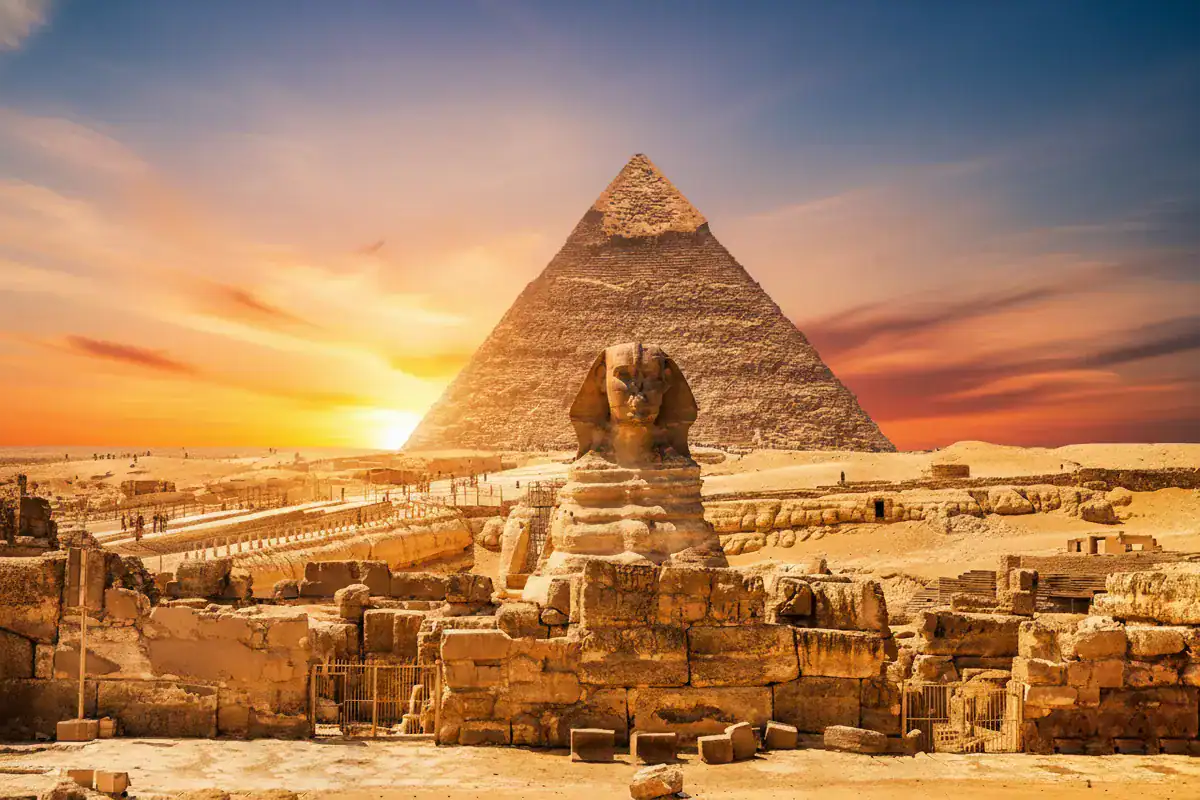
The Pyramids of Giza in Egypt are familiar from photographs, yet their scale is difficult to understand until you stand beside them. Built as royal tombs more than 4,500 years ago, the three main pyramids form part of a wider funerary complex containing temples, causeways, and smaller tombs.
The Great Pyramid of Khufu remains the only surviving wonder of the original Seven Wonders of the Ancient World. Looking across the plateau, you see a monumental project that still raises compelling questions about engineering, organization, and the power of Egypt’s pharaohs.
Pyramids of Giza Highlights
- The Great Pyramid: The largest of Giza’s three main pyramids.
- The Great Sphinx: The monumental reclining figure with a human head and lion’s body.
- The wider necropolis: Smaller pyramids, tombs, and temple remains surrounding the main monuments.
Chichén Itzá
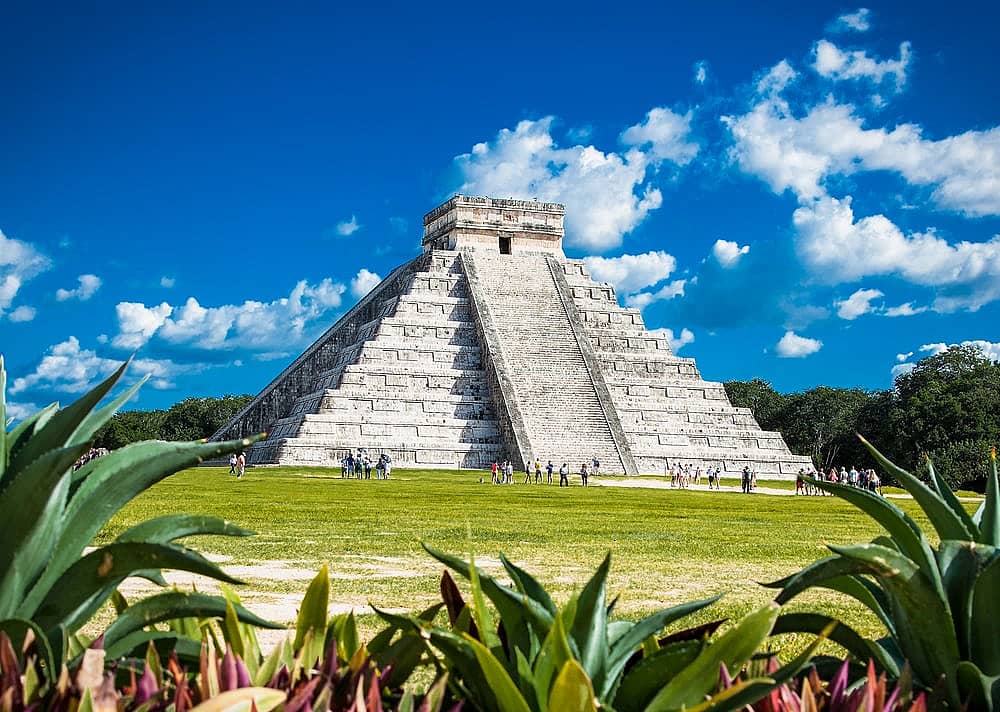
Chichén Itzá on Mexico’s Yucatán Peninsula is one of the most memorable places to see the scale and architectural skill of the ancient Maya. El Castillo, also called the Temple of Kukulcán, rises above the main plaza with sharply defined terraces and stairways.
Beyond the pyramid, ball courts, columned buildings, and carved reliefs reveal a city shaped by religion, political authority, and connections with other parts of Mesoamerica. Take time to study the smaller details; the carvings and layout add depth to a visit that could otherwise revolve around a single photograph.
Chichén Itzá Highlights
- El Castillo: The stepped pyramid that dominates the central area.
- The Great Ball Court: An enormous space associated with the Mesoamerican ballgame.
- The Temple of the Warriors: A major temple complex accompanied by rows of stone columns.
Tikal
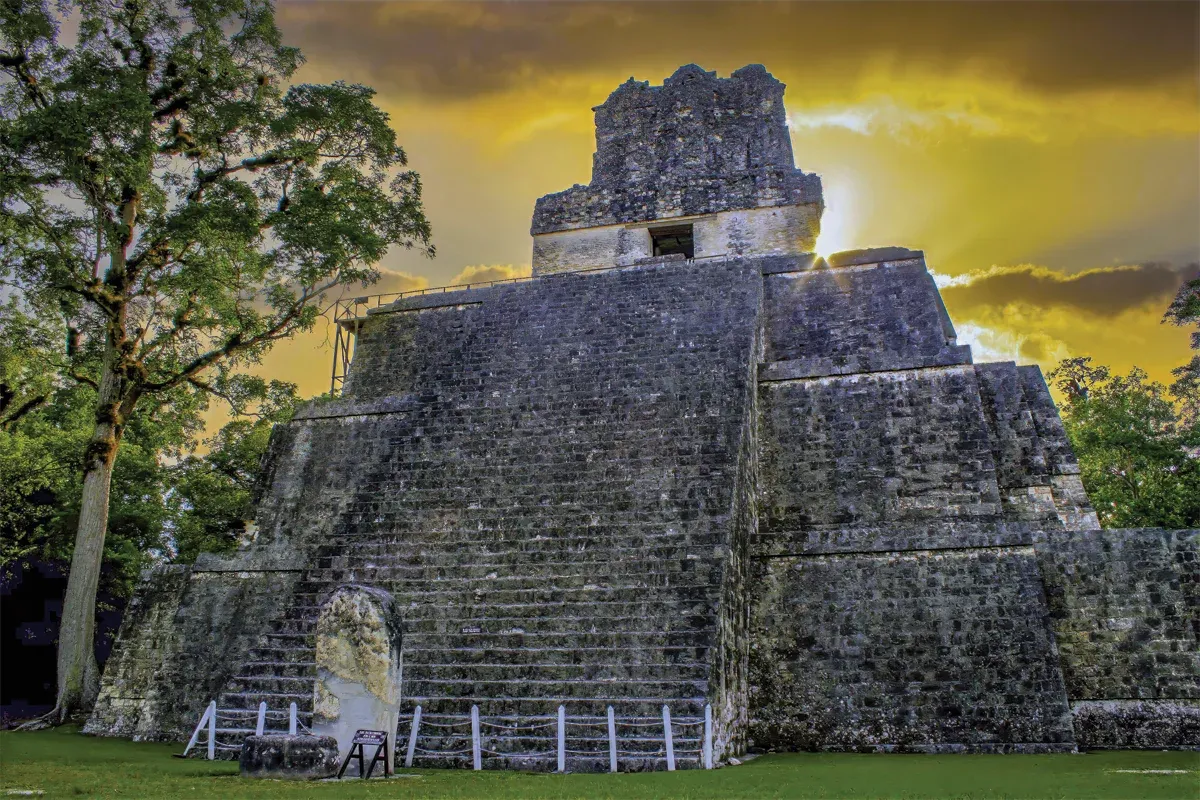
Deep in the forests of northern Guatemala, Tikal combines monumental Maya architecture with surroundings that make the visit feel like an adventure. Paths lead between plazas, palaces, and steep-sided temples, with dense vegetation separating one group of buildings from the next.
Some temple tops rise above the canopy, revealing how much of the ancient city lies within the forest. The setting is a large part of the appeal, but the architecture holds its own: Tikal was a major Maya political and ceremonial center, and its surviving monuments convey the reach of its rulers.
Tikal Highlights
- The Great Plaza: The site’s best-known gathering of temples and ceremonial buildings.
- Temples I and II: Landmark pyramidal temples facing one another across the plaza.
- The forest setting: Ancient structures surrounded by the protected woodland of Tikal National Park.
Ephesus
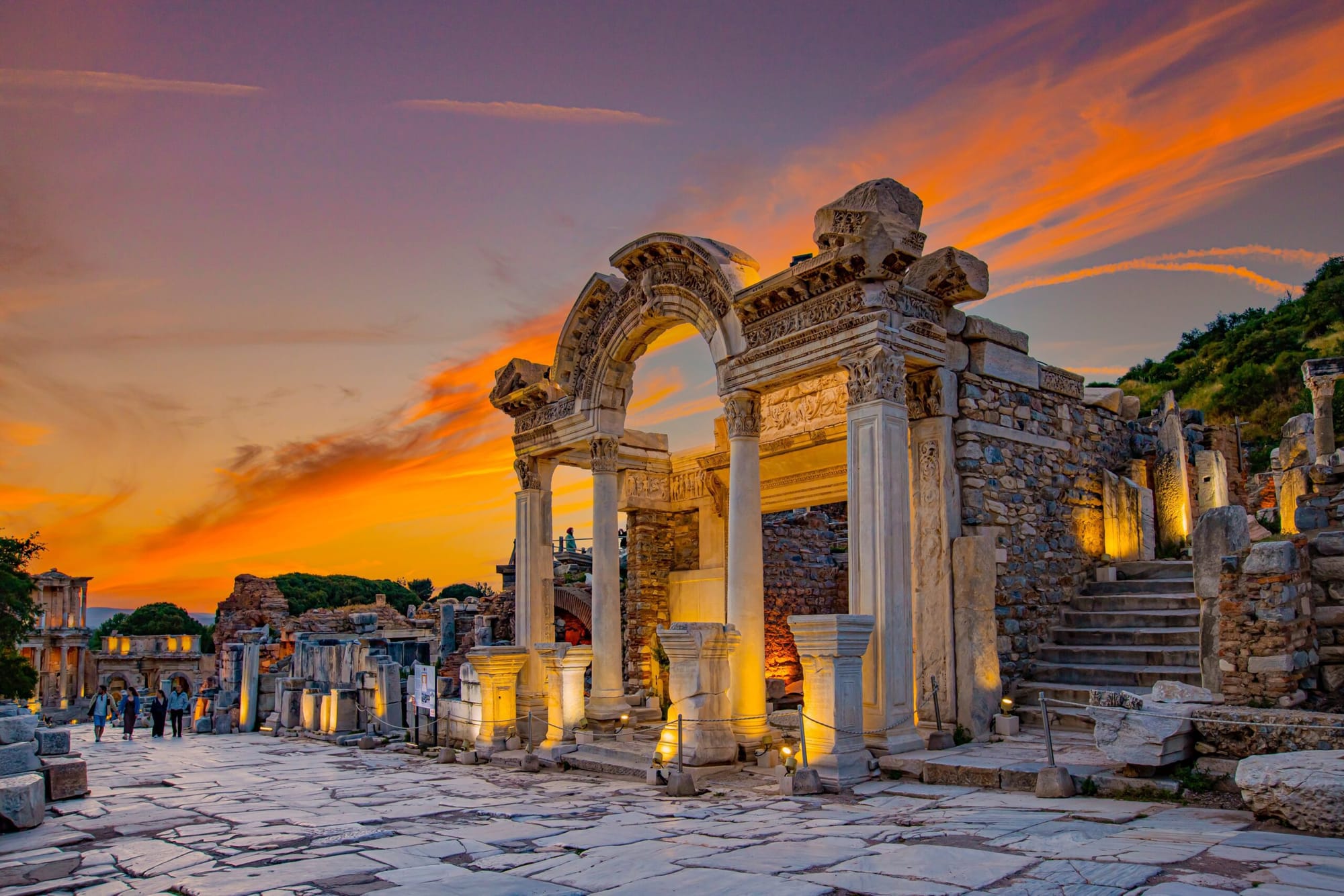
Near Selçuk in western Turkey, Ephesus lets you follow the streets of a once-powerful Mediterranean city. Its remains include monumental public buildings, a vast theater, and houses that reveal the comforts enjoyed by wealthy residents. The reconstructed facade of the Library of Celsus is the signature sight, with columns and sculptural details rising above the street.
Ephesus becomes even more interesting when you look beyond that centerpiece. The routes between buildings, surviving decoration, and scale of the public spaces help you picture how the city functioned during its Roman-era prominence.
Ephesus Highlights
- The Library of Celsus: An elaborate reconstructed facade and the city’s most recognizable monument.
- The Great Theatre: A monumental venue built into the hillside.
- The Terrace Houses: Residential remains with mosaics, painted walls, and evidence of affluent city life.
Colosseum
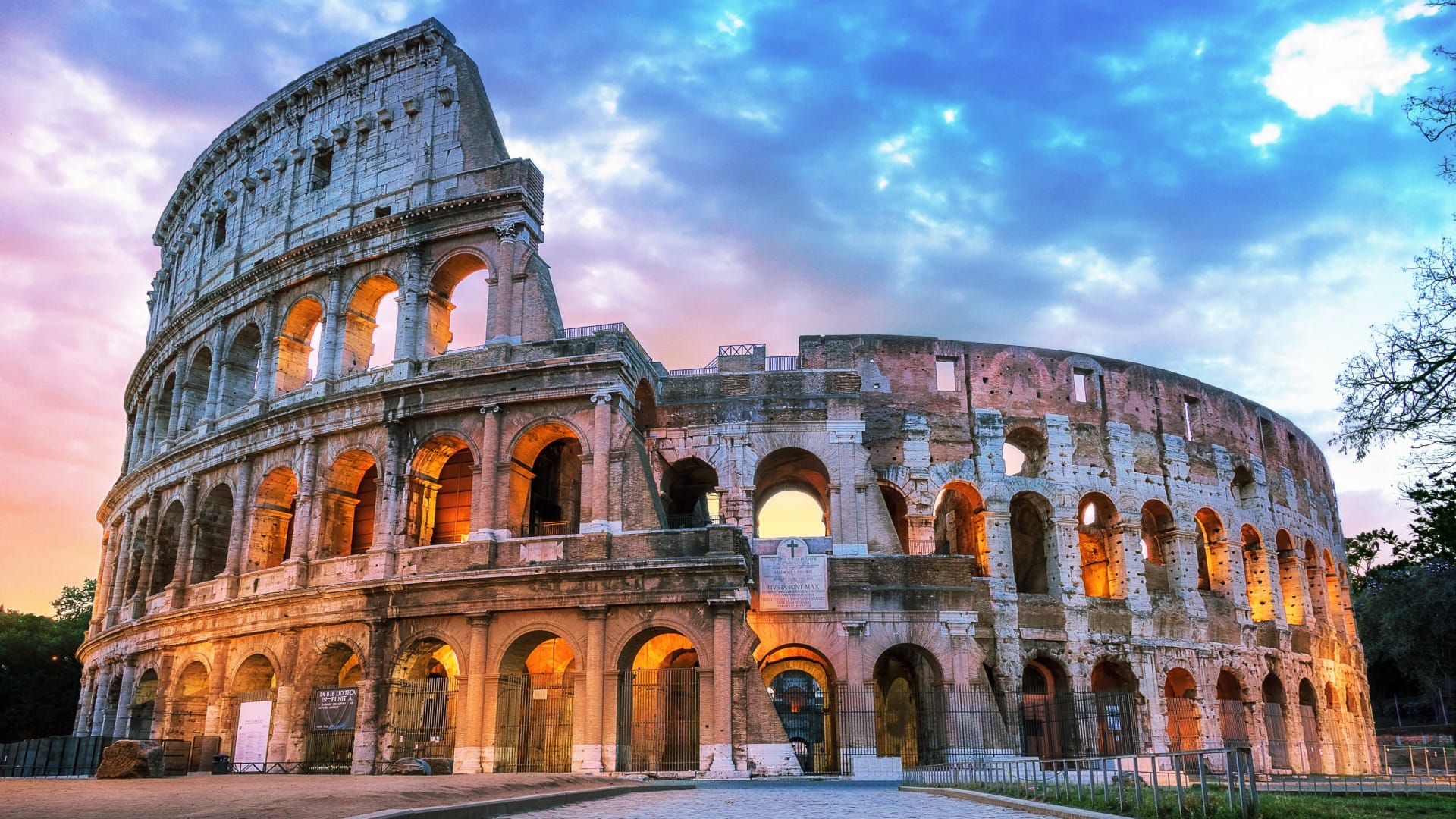
In the center of Rome, Italy, the Colosseum makes the scale of Roman public entertainment immediately apparent. Its surviving outer walls and tiers of arches dominate the surrounding streets, while the interior reveals the structure of an amphitheater designed for enormous crowds.
Knowing that gladiatorial contests and animal spectacles took place here gives the building a darker human dimension. Its setting adds another layer: nearby, the Roman Forum and Palatine Hill preserve the remains of temples, public spaces, and imperial residences, allowing you to explore several sides of ancient Rome within the same area.
Colosseum Highlights
- The outer arcades: The surviving arches that give the amphitheater its recognizable form.
- The interior: Views across the arena area and the remains of the spaces beneath it.
- Nearby Roman ruins: The Forum and Palatine Hill expand the visit beyond the amphitheater.
Puma Punku (My Favorite)
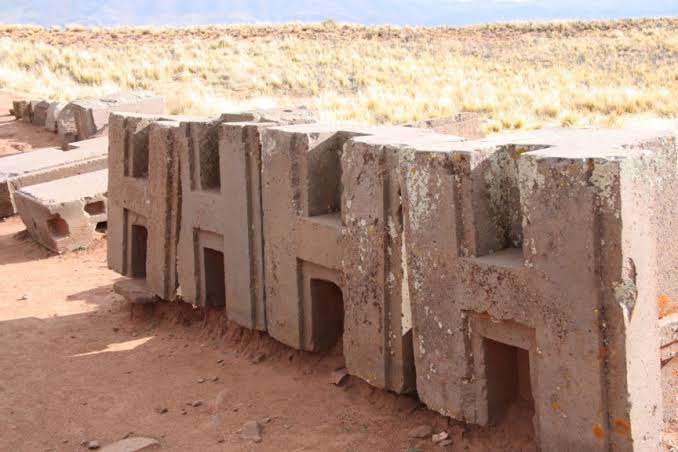
On the high plains of western Bolivia, Puma Punku forms part of the ancient Tiwanaku archaeological site near Lake Titicaca. Its scattered stone blocks reward a closer look: sharp corners, recessed patterns, and carefully shaped surfaces reveal the remarkable skill of Tiwanaku’s builders.
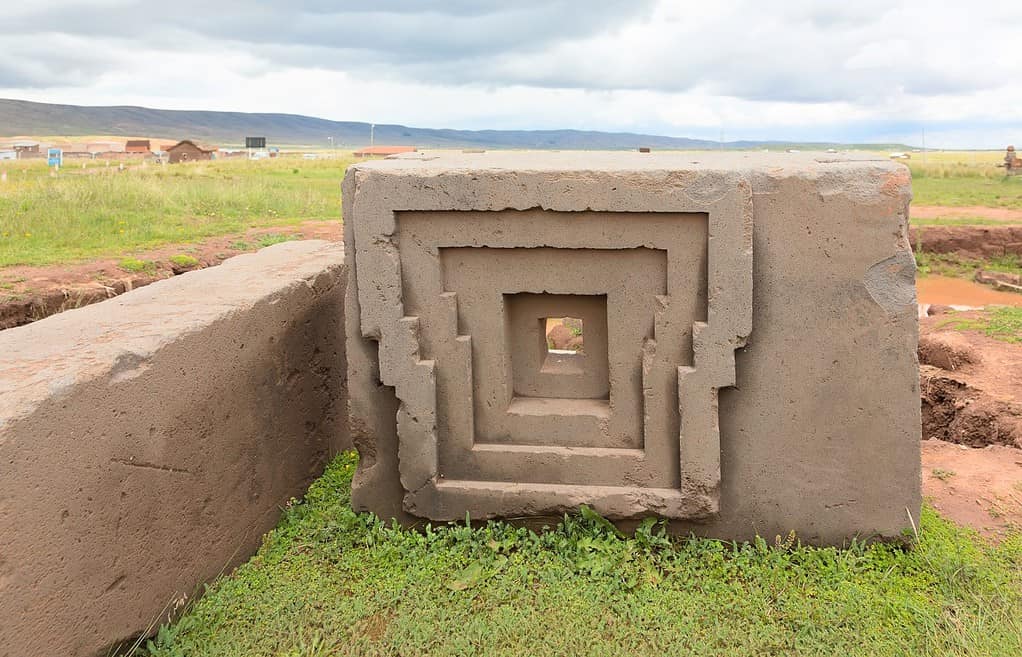
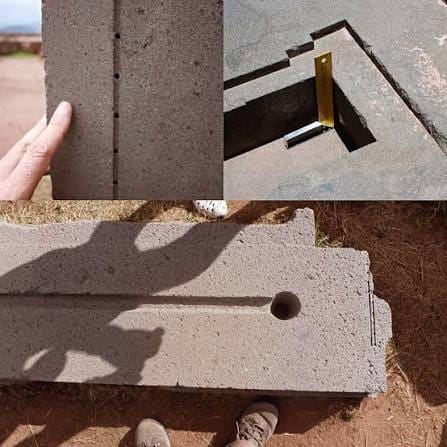
Walk beside the enormous sandstone slabs and intricately worked andesite pieces, and you begin to appreciate the planning behind this monumental temple complex. For travelers fascinated by ancient engineering, the craftsmanship makes Puma Punku a compelling addition to a Bolivia itinerary.
Puma Punku Highlights
- Precision stonework: Geometric carvings, recessed surfaces, and carefully fitted joints.
- Monumental platforms: Massive sandstone slabs revealing the scale of the original construction.
- The wider Tiwanaku site: Combine your visit with nearby temples, carved monuments, and the famous Gate of the Sun.
Not A Member of Jetsetter Alerts? ✈️
Sign up for our cheap flight alerts to get notified of any amazing deals on flights to these ancient ruins.
Get airline mistake fare & flash sales alerts.