Cheapest & Most Expensive Times To Do An African Safari
See the cheapest and most expensive times to do an African safari, including safari costs by season, destination, park fees, lodging, guides, transfers, and realistic 7-day safari budgets.
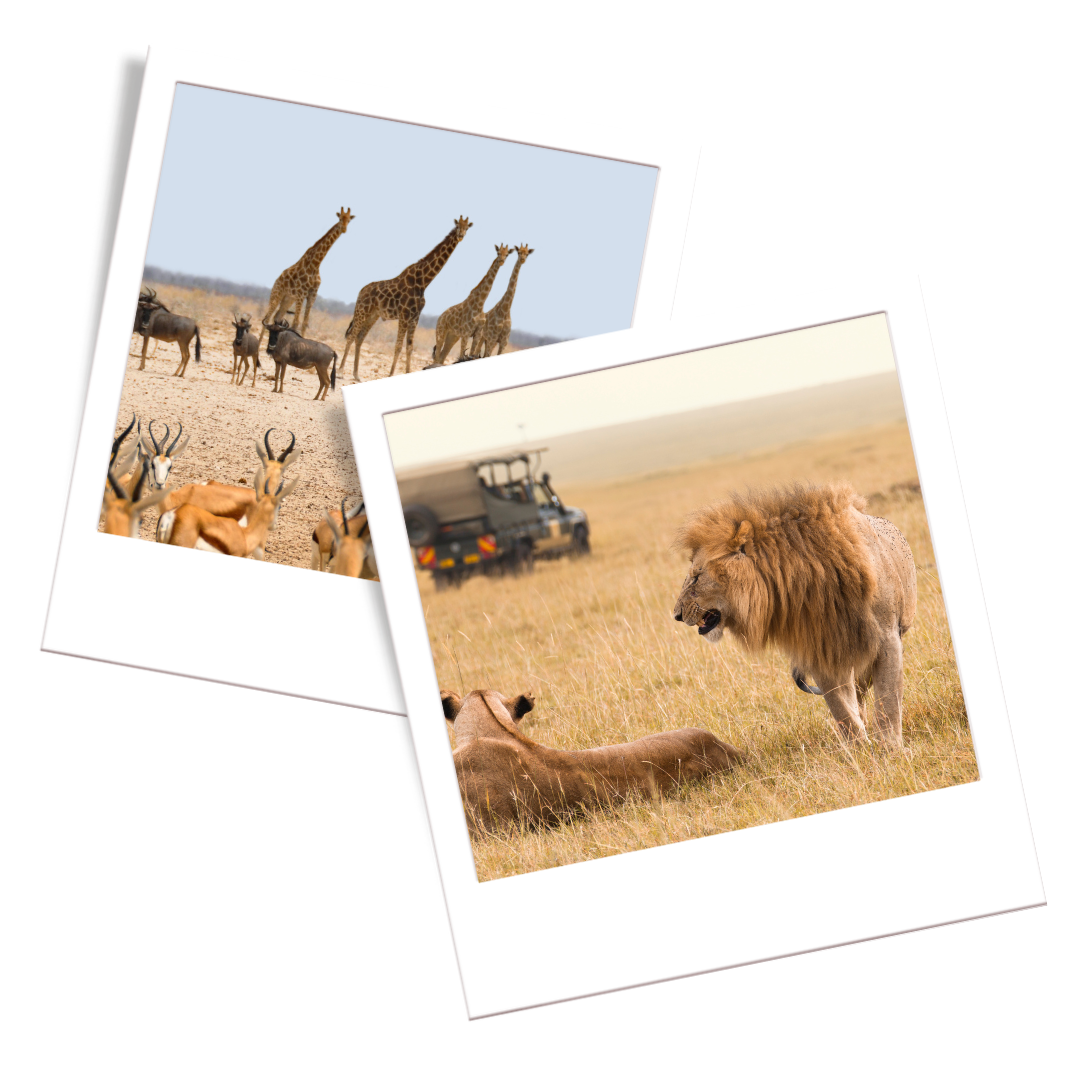
An African safari can be one of the most expensive trips you ever take, but it does not have to be priced like a once-in-a-lifetime luxury honeymoon. The total cost depends heavily on where you go, when you go, how remote the park is, how you move between camps, and whether you choose public parks, private concessions, self-drive routes, group tours, or fly-in lodges.
The cheapest time to do an African safari is usually the green season, which falls during the rainy or lower-demand months in many safari regions.
The most expensive time is usually the dry season, when wildlife is easier to see around water sources and demand is highest.
For East Africa, migration months in Kenya and Tanzania can push prices much higher.
For Southern Africa, Botswana, Namibia, Zambia, Zimbabwe, and South Africa’s private reserves usually cost more in the dry wildlife-viewing months.
For broader seasonal planning, compare this guide with our article on the cheapest and most expensive times to visit Africa.
Not A Member? ✈️
Save 50%-95% with Jetsetter Alerts - Airline Mistake Fare & Flash Sales Alerts!
Sign up to get real-time alerts on flight deals to Africa!
Cheapest Time To Do An African Safari
The cheapest time to do an African safari is usually during the green season, when there is more rain, thicker vegetation, fewer tourists, and softer lodge demand.
In many safari regions, this means:
- East Africa: March–May and parts of November
- Southern Africa: January–March, sometimes November
- South Africa: May, November, and parts of the summer green season, depending on the reserve
- Botswana: January–March is usually the biggest value window, though some camps close or access can be more complicated
- Namibia: January–March can be cheaper, but heat and rain can affect comfort
- Uganda and Rwanda: March–May and November can bring better lodge pricing, though gorilla permit costs usually remain the major fixed expense
The green season can be excellent value, but it is not automatically worse. You may get dramatic skies, newborn animals, birdlife, greener landscapes, fewer vehicles at sightings, and much better lodge rates.
The tradeoff is that wildlife can be harder to spot in thick vegetation, some roads become muddy, insects can increase, and certain remote camps or routes may be less reliable.
Most Expensive Time To Do An African Safari
The most expensive time to do an African safari is usually the dry season, when wildlife viewing is strongest and demand is highest.
In many regions, this means:
- Kenya: July–October, especially during Great Migration demand in the Maasai Mara
- Tanzania: June–October for the Serengeti and Northern Circuit, plus January–February for calving season in the southern Serengeti
- Botswana: June–October, especially the Okavango Delta, Moremi, Chobe, and private concessions
- Namibia: July–October, especially Etosha and popular self-drive lodge routes
- South Africa: June–September for strong wildlife viewing in Greater Kruger private reserves
- Zambia and Zimbabwe: June–October for walking safaris, river safaris, Hwange, Mana Pools, and Lower Zambezi
- Uganda and Rwanda: June–September and December–February for gorilla trekking comfort and broader dry-season travel
Christmas, New Year, Easter, and major school-holiday windows can also raise prices even when they do not perfectly match the best wildlife season.
Why African Safaris Cost So Much
Safari pricing is not just “hotel plus tour.” A real safari price usually bundles multiple expensive pieces into one daily rate.
The most important cost drivers are:
- Remote logistics: Many safari camps are far from towns, paved roads, fuel stations, and supply chains.
- Small camp capacity: A 10-room lodge has fewer guests to spread costs across than a large hotel.
- Included meals: Most safari stays include all meals because there are no nearby restaurants.
- Guided wildlife viewing: Game drives require trained guides, fuel, vehicles, maintenance, trackers, and park access.
- Conservation fees: Park, reserve, concession, and community fees can be charged per person, per day, per vehicle, or per activity.
- Seasonality: The same lodge can cost dramatically more in peak wildlife months.
- Transfers: Fly-in camps, charter flights, long road transfers, and 4x4 logistics can add hundreds or thousands of dollars.
A cheaper safari is usually not cheaper because the wildlife is worse. It is usually cheaper because the trip uses public parks, road access, self-drive routes, group departures, basic camps, or larger lodges instead of private concessions, fly-in camps, and luxury tented suites.
Mandatory Safari Costs
These are the core expenses most safari travelers cannot avoid.
Lodging
Lodging is usually the biggest safari cost. It can mean a public campsite, a budget tented camp, a mid-range lodge, a private conservancy camp, a luxury tented suite, or an ultra-luxury fly-in lodge.
A basic public campsite in South Africa or Namibia may be affordable, while a luxury camp in Botswana’s Okavango Delta or a private Serengeti migration camp can cost more per night than a luxury city hotel.
Food
Most safari lodges include meals because travelers are staying inside or near wilderness areas. Budget safaris may include simple meals cooked at camp. Mid-range and luxury lodges often include full-board dining, snacks, tea, coffee, and sometimes selected drinks.
Food becomes more expensive in remote fly-in camps because everything must be transported long distances.
Guide, Driver, Tracker, And Safari Vehicle
A safari vehicle is not just transport. It is the core of the wildlife experience. You are paying for:
- A trained driver-guide
- Sometimes a separate tracker
- Fuel
- Vehicle wear and maintenance
- Park access logistics
- Morning and afternoon game drives
- Radio communication between guides
- Safety and wildlife interpretation
Private vehicles cost more because the full vehicle cost is not shared with other guests.
Park, Reserve, And Conservation Fees
Park fees can significantly change the total price. Some parks charge modest fees, while others charge very high daily conservation rates.
For example, Kruger National Park’s 2025/2026 international daily conservation fee is R602 per adult and R300 per child, which is still relatively affordable compared with many East African park fees.
In Kenya, Maasai Mara non-resident adult fees for 2026 are listed at $100 per day from January through June and $200 per day from July through December, which means the same park can cost twice as much in the high-demand season before lodging or guiding is even considered.
In Tanzania, TANAPA tariffs list Serengeti and Nyerere among the higher-fee parks, and Ngorongoro adds another major cost because the official crater service fee for non-East African vehicles is $295 per vehicle per trip.
Concession And Community Fees
Private concessions, conservancies, and community areas can add separate fees on top of park entry. These are common in Kenya, Tanzania, Botswana, Namibia, Zambia, and Zimbabwe.
These fees can be worth it because private or community-managed areas often allow better wildlife rules, fewer vehicles, off-road viewing where permitted, night drives, walking safaris, or more exclusive sightings. But they can also make the trip much more expensive than staying near a public park gate.
Transfers And Domestic Flights
Transfers can be a small cost or a huge one.
A South Africa or Namibia self-drive safari may only require a rental car, fuel, and park fees. A Botswana fly-in safari may require light aircraft transfers between camps. A Tanzania itinerary may need long road transfers between Arusha, Tarangire, Ngorongoro, and Serengeti, or a one-way bush flight to save time.
The more remote the park, the more transport affects the final price.
Optional Safari Extras
These are not required, but they can add a lot to the final bill.
- Hot-air balloon safari: Often around $450–$600+ per person in places like the Maasai Mara or Serengeti.
- Private safari vehicle: Useful for photographers and families, but often adds hundreds of dollars per day.
- Night drives: Sometimes included in private reserves, but often an added activity in certain parks or concessions.
- Walking safaris: Can be included at specialist camps or charged separately.
- Mokoro rides in Botswana: Often included at Delta camps, but can be an extra on some itineraries.
- Boat safaris: Common in Chobe, the Okavango Delta, Lower Zambezi, and the Zambezi River areas.
- Cultural visits: Maasai, Himba, San, village, or community visits may carry separate fees.
- Premium alcohol: Many luxury camps include drinks, but premium labels may cost extra.
- Laundry: Often included at luxury camps, less often included at budget camps.
- Tips: Safari tipping can become a meaningful extra cost, especially with multiple guides, trackers, camp staff, porters, and transfer drivers.
- Travel insurance: Essential for safari travel, especially if using bush flights, remote camps, gorilla trekking, or high-cost prepaid tours.
- Visa fees and entry authorizations: These vary by country and should be budgeted separately.
Average African Safari Cost Per Day
These estimates are per person and usually assume lodging, meals, game drives, guide costs, park fees, and local safari logistics. They do not include international flights.
| Safari Style | Average Daily Cost | 7-Day Estimate |
|---|---|---|
| Budget Safari | $150–$350 per day | $1,050–$2,450 |
| Mid-Range Safari | $350–$750 per day | $2,450–$5,250 |
| Luxury Safari | $800–$1,800 per day | $5,600–$12,600 |
| Ultra-Luxury Safari | $1,800–$3,500+ per day | $12,600–$24,500+ |
Budget does not always mean bad. It usually means simpler accommodation, larger groups, public parks, road transfers, camping, or self-drive. Luxury does not always mean better wildlife. It usually means more comfort, better guiding ratios, private concessions, fly-in access, better food, better camp locations, and fewer other vehicles.
Safari Cost By Destination
Cheapest Safari Destinations
South Africa
South Africa is usually one of the best-value safari destinations because travelers can self-drive in Kruger National Park, stay in rest camps, use good roads, and avoid expensive fly-in logistics. It is also one of the easiest safari destinations for first-timers because infrastructure is strong and there are many price levels.
For lower costs, Kruger National Park and Addo Elephant National Park are usually better-value options than private Greater Kruger lodges. Private reserves such as Sabi Sand, Timbavati, Thornybush, and Klaserie cost more, but they also offer guided drives, trackers, better off-road rules, and more polished lodge experiences.
For seasonal travel demand, use our guide to the cheapest and most expensive times to visit South Africa.
Typical South Africa safari costs:
| Travel Style | Daily Cost | 7-Day Cost |
|---|---|---|
| Budget / Self-Drive | $120–$250 | $840–$1,750 |
| Mid-Range | $250–$600 | $1,750–$4,200 |
| Luxury Private Reserve | $700–$1,800+ | $4,900–$12,600+ |
Namibia
Namibia can be excellent value for independent travelers because it works well as a self-drive safari destination. Etosha National Park, Damaraland, the Caprivi / Zambezi Region, and desert wildlife routes can be combined with guesthouses, campsites, and lodges.
Namibia’s costs rise when you use fly-in safaris, remote luxury desert lodges, private concessions, or high-end guided itineraries. Etosha’s published foreign adult entrance fee from April 2026 is NAD 280 per adult per day, with a vehicle fee of NAD 60 per day for vehicles with 10 seats or fewer.
Typical Namibia safari costs:
| Travel Style | Daily Cost | 7-Day Cost |
|---|---|---|
| Budget / Self-Drive | $150–$300 | $1,050–$2,100 |
| Mid-Range | $300–$650 | $2,100–$4,550 |
| Luxury / Fly-In | $800–$2,000+ | $5,600–$14,000+ |
Kenya Budget And Group Safaris
Kenya can be affordable if you join a group camping safari or use budget lodges outside the most expensive private conservancies. Nairobi also gives travelers relatively easy access to Maasai Mara, Amboseli, Lake Nakuru, Samburu, and other safari areas.
The caution is that Kenya’s most famous safari area, the Maasai Mara, now has high seasonal entry costs. In 2026, non-resident adult fees are listed at $100 per day in the first half of the year and $200 per day from July onward, so a “cheap” Mara safari can become much less cheap in migration season.
For planning, pair this guide with our Kenya travel guide or a structured 14-day Kenya travel itinerary to go along side your Safari.
Typical Kenya safari costs:
| Travel Style | Daily Cost | 7-Day Cost |
|---|---|---|
| Budget Group Safari | $220–$400 | $1,540–$2,800 |
| Mid-Range Lodge Safari | $400–$850 | $2,800–$5,950 |
| Luxury Conservancy Safari | $900–$2,500+ | $6,300–$17,500+ |
Moderate-Cost Safari Destinations
Tanzania
Tanzania is one of Africa’s classic safari destinations, but it is rarely the cheapest. The Northern Circuit is popular because it can combine Tarangire, Lake Manyara, Ngorongoro Crater, and the Serengeti. The tradeoff is that park fees, crater fees, vehicle logistics, and long distances make Tanzania more expensive than many first-time travelers expect.
Ngorongoro is a good example of how fees stack: travelers pay park or conservation-related fees, while vehicles entering the crater also face a separate crater service fee of $295 per vehicle per trip for non-East African citizens.
Tanzania is usually most expensive during Serengeti migration periods, peak dry-season travel, and high-demand lodge seasons. For seasonal planning, see our guide to the cheapest and most expensive times to visit Tanzania.
Typical Tanzania safari costs:
| Travel Style | Daily Cost | 7-Day Cost |
|---|---|---|
| Budget Camping Safari | $250–$450 | $1,750–$3,150 |
| Mid-Range Lodge Safari | $500–$950 | $3,500–$6,650 |
| Luxury Serengeti / Ngorongoro Safari | $1,000–$2,500+ | $7,000–$17,500+ |
Zimbabwe And Zambia
Zimbabwe and Zambia can be excellent safari destinations for travelers who want strong guiding, fewer crowds, walking safaris, and river-based wildlife. They are not always cheap, but they can be better value than Botswana’s top-tier fly-in camps.
Zimbabwe is often associated with Hwange, Mana Pools, and Victoria Falls add-ons. Zambia is famous for South Luangwa, Lower Zambezi, and walking safaris. Costs rise quickly in remote camps, peak dry season, and fly-in itineraries.
Typical Zimbabwe or Zambia safari costs:
| Travel Style | Daily Cost | 7-Day Cost |
|---|---|---|
| Budget / Simple Lodge | $220–$450 | $1,540–$3,150 |
| Mid-Range | $450–$900 | $3,150–$6,300 |
| Luxury Remote Camp | $900–$2,000+ | $6,300–$14,000+ |
Uganda
Uganda can be a good-value safari destination if you focus on savannah parks like Queen Elizabeth, Murchison Falls, Lake Mburo, and Kidepo. It becomes much more expensive when you add gorilla trekking or chimpanzee trekking.
Uganda’s official conservation tariff for July 2024 through June 2026 places gorilla and chimpanzee permits under regulated booking rules, and foreign non-resident gorilla permits are widely listed at $800 per permit for that tariff period.
Typical Uganda safari costs:
| Travel Style | Daily Cost | 7-Day Cost |
|---|---|---|
| Budget Savannah Safari | $180–$350 | $1,260–$2,450 |
| Mid-Range Safari | $350–$750 | $2,450–$5,250 |
| Gorilla + Mid/Luxury Safari | $700–$1,800+ | $4,900–$12,600+ |
Most Expensive Safari Destinations
Botswana
Botswana is often the most expensive mainstream safari destination in Africa. The biggest reason is not just park fees. It is the model: low-volume tourism, remote camps, private concessions, seasonal water access, light aircraft transfers, and high-end lodge operations.
The Okavango Delta, Moremi, Chobe, Linyanti, Selinda, and other private concession areas can be extraordinary, but they are rarely cheap. Botswana’s public fee system has also been undergoing revisions, with Chobe and Moremi treated as the most visited Category A parks. (biofin.org)
For seasonal planning, see our guide to the cheapest and most expensive times to visit Botswana.
Typical Botswana safari costs:
| Travel Style | Daily Cost | 7-Day Cost |
|---|---|---|
| Budget Mobile / Self-Drive | $350–$650 | $2,450–$4,550 |
| Mid-Range Lodge / Mobile Safari | $700–$1,300 | $4,900–$9,100 |
| Luxury Fly-In Delta Safari | $1,300–$3,500+ | $9,100–$24,500+ |
Rwanda
Rwanda is expensive mainly because gorilla trekking is priced as a premium experience. The official Rwanda tourism site lists gorilla tracking permits at $1,500 per person per day, before lodging, transfers, guides outside the trek, tips, or other trip costs.
Rwanda can still be efficient for travelers with limited time because Volcanoes National Park is relatively accessible from Kigali compared with some other gorilla destinations. But if you are comparing pure cost, Rwanda is usually more expensive than Uganda for gorilla trekking.
Typical Rwanda gorilla safari costs:
| Travel Style | Daily Cost | 7-Day Cost |
|---|---|---|
| Lower Mid-Range Gorilla Trip | $600–$1,000 | $4,200–$7,000 |
| Mid/Luxury Gorilla Safari | $1,000–$2,000 | $7,000–$14,000 |
| Ultra-Luxury Rwanda Safari | $2,000–$4,000+ | $14,000–$28,000+ |
Luxury Serengeti, Maasai Mara, And Private Conservancies
Kenya and Tanzania can be done on a budget, but the luxury versions are among Africa’s most expensive safaris. Migration camps, private conservancies, exclusive-use villas, charter flights, private guides, and top-tier tented camps can push costs into Botswana-level pricing.
This is especially true in:
- Serengeti migration areas
- Ngorongoro Crater rim lodges
- Maasai Mara private conservancies
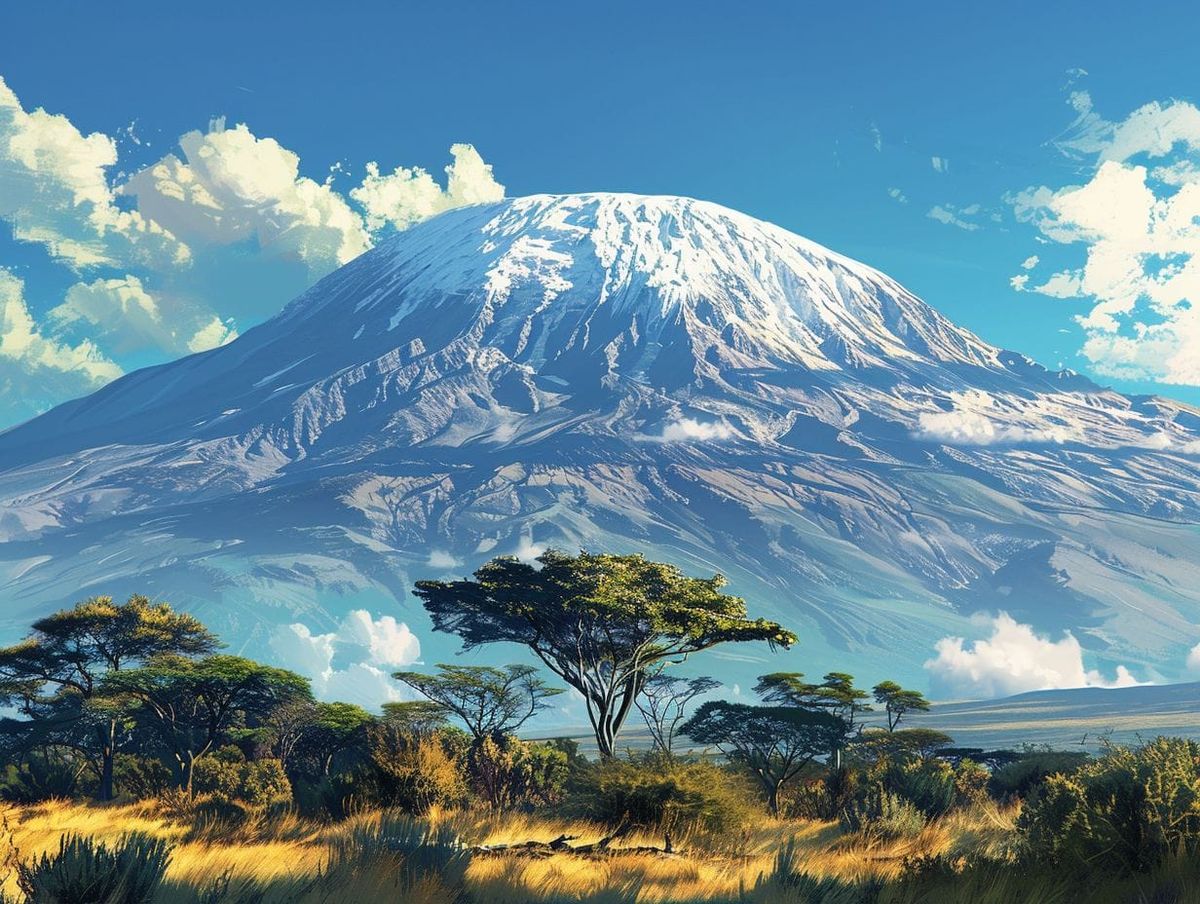
- Amboseli luxury lodges with Kilimanjaro views
- Laikipia private conservancies
- Southern Tanzania fly-in camps
Cheapest Vs. Most Expensive Safari Months By Region
| Safari Region | Cheapest Months | Most Expensive Months | Main Reason |
|---|---|---|---|
| Kenya | March–May, November | July–October, December holidays | Migration demand and dry-season wildlife viewing |
| Tanzania | March–May, November | June–October, January–February, holidays | Serengeti migration, calving season, Ngorongoro demand |
| South Africa | May, November, parts of summer | June–September, holidays | Dry-season Kruger viewing and private reserve demand |
| Botswana | January–March | June–October | Okavango Delta peak water/wildlife season |
| Namibia | January–March | July–October | Etosha dry-season waterhole viewing and self-drive demand |
| Uganda | March–May, November | June–September, December–February | Gorilla trekking comfort and dry-season travel |
| Rwanda | March–May, November | June–September, December–February | Gorilla trekking demand and premium lodging |
| Zambia | November–April in some areas | June–October | Dry-season walking and river safari conditions |
| Zimbabwe | January–March in some areas | June–October | Dry-season Hwange, Mana Pools, and Victoria Falls combinations |
Best Value Safari Destinations
Best For First-Time Budget Travelers
South Africa is usually the best first safari for travelers who want lower costs, easier logistics, and strong infrastructure. Kruger self-drive trips can be dramatically cheaper than guided safaris in East Africa or Botswana.
Best For Classic Safari On A Moderate Budget
Kenya is often the best balance of classic wildlife, competitive tour pricing, and strong safari infrastructure. Budget and mid-range travelers have more options than in Botswana or Rwanda.
Best For Big Wildlife And Iconic Landscapes
Tanzania is expensive, but it delivers the classic safari dream: Serengeti plains, Ngorongoro Crater, Tarangire elephants, and major migration routes.
Best For Self-Drive Adventure
Namibia is one of the best-value safari destinations if you are comfortable driving long distances. Etosha is the wildlife anchor, while the rest of the country adds desert, coast, dunes, and dramatic landscapes.
Best For High-End Safari
Botswana is one of the top luxury safari choices in Africa. It is expensive, but travelers are paying for exclusivity, remote camps, water-based safari options, and low-density wildlife viewing.
Best For Gorilla Trekking Value
Uganda is usually better value than Rwanda for gorilla trekking because the permit cost is lower and itineraries can combine gorillas with savannah parks.
Best For Premium Gorilla Trekking
Rwanda is usually the premium choice for travelers who want a shorter, smoother, more polished gorilla trekking trip and are willing to pay for convenience.
7-Day African Safari Budget Examples
Budget Safari: $1,050–$2,450 Per Person
A budget safari usually means one or more of the following:
- Self-drive in South Africa or Namibia
- Group camping safari in Kenya or Tanzania
- Simple guesthouses or basic tented camps
- Public park access instead of private concessions
- Shared vehicles
- Road transfers instead of bush flights
- Fewer luxury inclusions
This style works best in South Africa, Namibia, Kenya, and some Uganda routes.
Mid-Range Safari: $2,450–$5,250 Per Person
A mid-range safari usually includes:
- Comfortable lodges or permanent tented camps
- Shared guided game drives
- Most meals included
- Park fees included in the package
- Road transfers or limited domestic flights
- Better locations than budget camps
- A more polished experience without ultra-luxury pricing
This is the best fit for many first-time safari travelers.
Luxury Safari: $5,600–$12,600+ Per Person
A luxury safari usually includes:
- High-end lodges or tented camps
- Better guiding
- Smaller guest numbers
- Private concessions or conservancies
- Fly-in transfers in remote areas
- More personalized service
- Higher-quality food and drinks
- More flexible activities
Luxury safaris are common in Botswana, Tanzania, Kenya conservancies, South Africa private reserves, Rwanda, Zambia, and Zimbabwe.
Ultra-Luxury Safari: $12,600–$24,500+ Per Person
Ultra-luxury safaris can include:
- Private villas or exclusive-use camps
- Private vehicles and guides
- Charter flights
- Premium camps in remote concessions
- Top-tier food and wine
- Spa treatments
- Private plunge pools
- Specialist photography guiding
- Multi-country combinations
This is where Botswana, Rwanda, Serengeti migration camps, private Kenya conservancies, and South Africa’s top private reserves can become extremely expensive.
How To Save Money On An African Safari
The best ways to reduce safari costs are not always about choosing the cheapest lodge. They are usually about choosing the right structure.
- Travel in green season: This is the biggest savings lever.
- Use public parks: Kruger, Etosha, and some Kenya/Tanzania public park routes are usually cheaper than private concessions.
- Avoid fly-in logistics: Road transfers are slower but often cheaper.
- Join a small group: Private safaris are convenient, but group departures lower per-person guide and vehicle costs.
- Stay longer in fewer places: Moving every night increases transfer costs and reduces actual game-viewing time.
- Choose shoulder season: May, June, November, or early December can give you a better balance than peak or low season.
- Use self-drive where it makes sense: South Africa and Namibia are strongest for this.
- Compare park fees, not just lodge rates: A cheap lodge near an expensive park can still lead to a costly itinerary.
- Limit premium extras: Balloon safaris, private vehicles, and bush flights are memorable but expensive.
- Do not overbuild the route: A 7-day safari split across four parks may cost more and feel more rushed than three nights in two strong areas.
Safari Costs That Surprise First-Time Travelers
Many travelers budget for “the safari,” but forget the costs around it.
Common surprise costs include:
- Visa or entry authorization fees
- Park fees charged per person per day
- Concession fees charged separately from park entry
- Vehicle entry fees
- Crater or special activity fees
- Tips for guides, trackers, drivers, porters, and camp staff
- Laundry and premium drinks
- Single supplements
- Domestic flights and luggage restrictions
- Emergency medical evacuation coverage
- Pre- and post-safari hotel nights
- Airport transfers
- Vaccinations or travel clinic costs
- Travel insurance
- Camera gear, binoculars, and safari clothing
How Much Are Visa Fees For Americans?
Visa costs depend on the safari country. Some popular safari destinations are visa-free for U.S. tourists for short stays, while others require an eVisa, visa on arrival, or travel authorization.
Common examples:
- Kenya: Kenya replaced tourist visas with an eTA system, commonly priced around $34 including processing. (AFAR Media)
- Tanzania: U.S. citizens are charged $100 for the 12-month multiple-entry tourist visa. (Embassy of Tanzania)
- Uganda: The single-entry tourist visa costs $50, while the East African Tourist Visa is listed at $100. (Immigration Uganda)
- Rwanda: Tourist visa fees are generally listed at $50 for single entry and $70 for multiple entry. (Visit Rwanda)
- South Africa: U.S. tourists visiting for 90 days or less generally do not need a visa. (Embassy of South Africa)
- Botswana: U.S. citizens are generally permitted stays up to 90 days total within a 12-month period without a visa. (Travel.state.gov)
- Namibia: Beginning April 1, 2025, U.S. citizen tourists are required to obtain a visa before entering Namibia; the visa-on-arrival fee has been reported at NAD 1,600 for non-African travelers. (U.S. Embassy in Nigeria)
- Zimbabwe: U.S. travelers need a tourist visa, and the Zimbabwe Embassy lists fees at $30 single-entry, $45 double-entry, and $55 multiple-entry, subject to change. (Zimbabwe Embassy)
For multi-country East Africa safaris, the East African Tourist Visa can sometimes be useful if your route includes Kenya, Uganda, and Rwanda, but it is not always the cheapest choice depending on entry order and itinerary.
Is A Private Safari Worth The Extra Cost?
A private safari is worth it when your priorities are photography, flexibility, children, mobility needs, special interests, or a slower pace. It is usually not necessary for travelers who simply want to see wildlife at the best possible price.
A shared safari vehicle can still deliver excellent sightings. A private vehicle mainly buys control: you decide how long to stay with a leopard, whether to skip lunch for more tracking time, whether to focus on birds, or whether to avoid long stops at sightings you care less about.
For serious photographers, private vehicles can be one of the best upgrades. For budget travelers, that money is usually better spent on an extra night in the park.
Best Overall Value Safari Strategy
For most travelers, the best-value safari is not the cheapest possible safari. It is the trip that gives you strong wildlife, good guiding, enough time in the bush, and a cost structure that does not waste money on unnecessary logistics.
A strong value safari might look like:
- South Africa: 2 nights near Johannesburg or Cape Town, 4–5 nights Kruger or Greater Kruger
- Kenya: Nairobi plus 5–6 nights split between Maasai Mara and one other park
- Tanzania: Tarangire, Ngorongoro, and Serengeti with road transfers and one strategic flight
- Namibia: 7–10 day self-drive with Etosha as the main safari anchor
- Uganda: Savannah safari plus one gorilla trek if the permit fits the budget
- Botswana: Shorter stay in better camps rather than stretching the budget across too many expensive locations
If cost is your top concern, start with South Africa, Namibia, or Kenya. If exclusivity is your top concern, Botswana, Rwanda, and luxury Tanzania are more likely to fit. If you want the classic safari image with lions, plains, migration, and big landscapes, Kenya and Tanzania remain the benchmark.
Other Popular Articles
 Jetsetter Alerts
 Jetsetter Alerts
 Jetsetter Alerts
 Jetsetter Alerts